Gravity
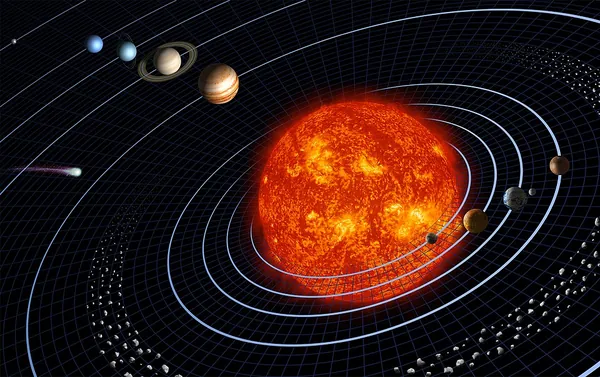
1687 · PhysicsGravity is the interaction by which bodies with mass pull on one another. It is the most noticeable force on large scales: it makes a stone fall, keeps the Moon circling the Earth and holds the planets in orbit around the Sun. It is the weakest of the four fundamental interactions, yet it shapes the universe at the largest…
Read the full story →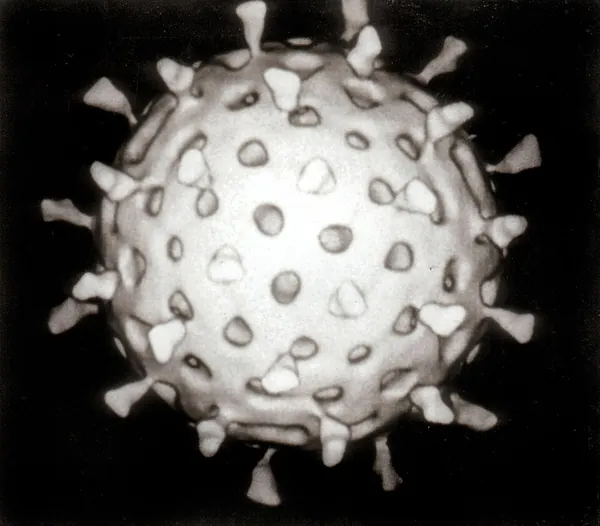
Virus
1892 · BiologyA virus is a submicroscopic infectious agent made of genetic material, either DNA or RNA, wrapped in a protein shell and, in some cases, a fatty outer envelope. Outside a cell it is an inert particle. Once inside a host cell, its genes force the cell to make copies of it. That is why viruses are studied in virology, a branch of…
Read the full story →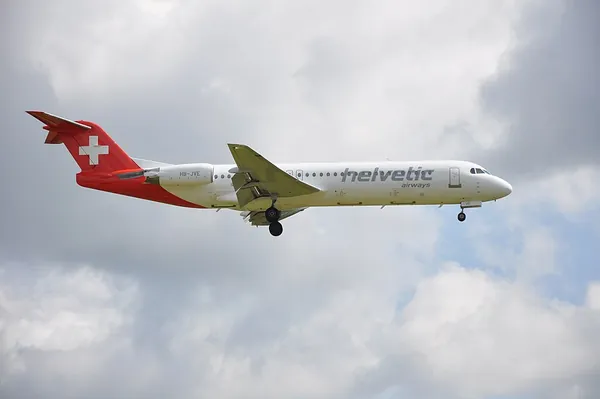
Airplane
1903 · TransportAn airplane is a fixed-wing machine, heavier than air, that stays in the sky because its wings produce lift as the aircraft moves forward under power. Its importance is hard to overstate: it reshaped how people and goods travel, how wars are fought, and how the world is connected. The basic idea is simple. The top of the wing…
Read the full story →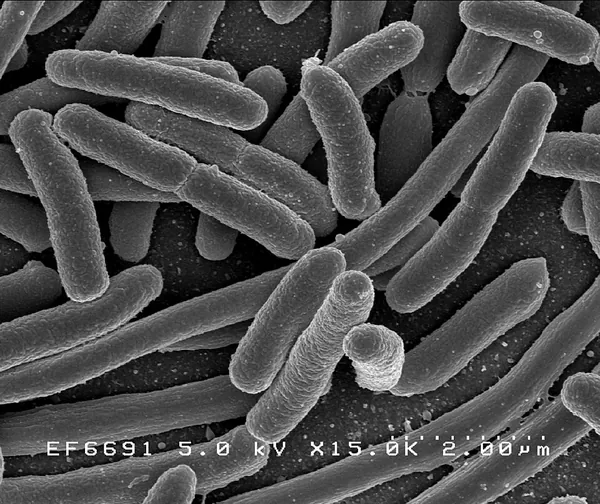
Bacteria
1676 · BiologyBacteria are organisms made of a single cell, without a defined nucleus, usually only a few micrometres long. They are probably the oldest and most abundant living things on the planet, and they play a decisive role in natural cycles, human health and industry. Their study belongs to bacteriology, a branch of microbiology.
Read the full story →
Deoxyribonucleic acid
1869 · BiologyDeoxyribonucleic acid, or DNA, is a molecule made of two chains of nucleotides wound around each other in a double helix. It stores, over the long term, the information needed to build proteins and other parts of the cell, and it is the physical basis of heredity. That is why its discovery and structure are a cornerstone of…
Read the full story →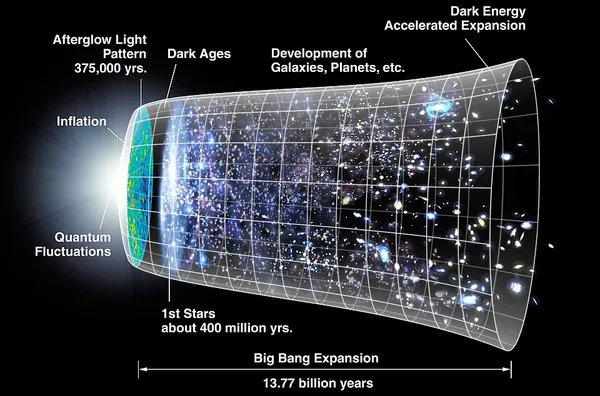
Big Bang
1931 · Astronomy and spaceThe Big Bang is the cosmological model that describes how the universe expanded from an early state of extreme density and temperature. It is worth stressing that it does not describe an explosion spreading into empty space; rather, it describes the expansion of space and time themselves. Its importance lies in allowing…
Read the full story →
Wheel
3500 BC · TransportA wheel is a circular part that turns around an axle and, together with it, forms one of the six simple machines. The principle is simple: when a load rests on an axle that turns, the friction no longer happens on the ground but in the bearings, so moving the weight takes far less effort than dragging it. Few inventions have…
Read the full story →
Mobile phone
1973 · Technology and communicationsA mobile phone is a pocket-sized device that connects to a radio network so people can make calls without being tied to one place. It matters because it has gone from a bulky tool for a few users to an object carried by billions of people across the planet.
Read the full story →
Writing
3300 BC · Technology and communicationsWriting is a way of representing language with signs drawn or carved on a surface, so that a message can be read later and far away from the person who wrote it. Its importance is hard to overstate: it allowed information to be stored beyond the limits of human memory, and with that it changed how societies organised their…
Read the full story →
Uranium
1789 · ChemistryUranium is a silvery-grey metal with atomic number 92, meaning its nucleus holds 92 protons. It is the heaviest element that occurs naturally in significant amounts, and its modern importance comes from the fact that some of its isotopes, versions of the atom with different numbers of neutrons, can split into two smaller nuclei…
Read the full story →
Piano
1700 · Scientific instrumentsThe piano is a keyboard instrument whose main achievement is letting the player shape the loudness of each note with the force of their fingers. Its Italian name, pianoforte, means "soft and loud", which captures its novelty over earlier keyboards that could produce only one volume. Today it is one of the most widely used…
Read the full story →
Steel
1865 · Engineering and constructionSteel is an alloy of iron and carbon, often with small amounts of other elements, that keeps the workability of iron while resisting pulling forces, blows and wear far better. It is used in bridges, buildings, tools, ships, trains, cars and household appliances. Its value lies in combining strength and flexibility at a moderate…
Read the full story →
Organic chemistry
1828 · ChemistryOrganic chemistry studies a very large family of molecules that contain carbon, usually bonded to other carbon atoms and to hydrogen, and often to oxygen, nitrogen, sulfur or halogens. Because carbon is present in nearly everything that makes up living things, the field is also called the chemistry of carbon. Its reach is wide:…
Read the full story →
Plough
3000 BC · Technology and communicationsA plough is a farm tool that loosens or turns the soil before seed is sown or plants are set. For most of recorded history it was the basic implement of farming, letting people work fields far larger than they could dig by hand. Its main job is to turn over the top layer of earth, bringing nutrients up while burying weeds and…
Read the full story →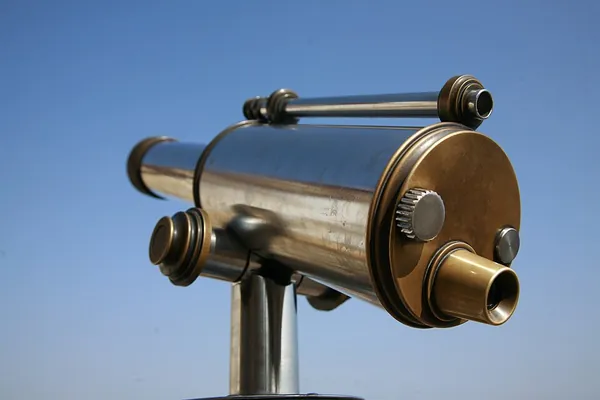
Telescope
1608 · Scientific instrumentsA telescope is an instrument that collects electromagnetic radiation, mainly visible light, to observe distant objects in much more detail than the naked eye can manage. The word comes from Greek: 'tele', far, and 'skopein', to see. Its arrival transformed astronomy, because it allowed people to study the nature of celestial…
Read the full story →
Artificial satellite
1957 · Astronomy and spaceAn artificial satellite is a machine built by people and placed in orbit around a celestial body, most often the Earth. It keeps circling without falling back because its sideways speed balances the pull of gravity. Satellites relay phone and television signals, forecast the weather, provide the positioning data used by GPS…
Read the full story →
Microscope
1590 · Scientific instrumentsA microscope is an instrument that makes objects too small for the naked eye visible by magnifying them. Its most common form, the optical microscope, uses two lenses working together to produce an enlarged image by refraction, which is the bending of light as it passes through glass. Its significance is hard to overstate: it…
Read the full story →
Transistor
1947 · Technology and communicationsA transistor is a semiconductor device, usually with three terminals, that lets a small current or voltage on one terminal control a much larger current between the other two. This makes it able to amplify a weak signal or to act as a switch that turns on and off. It is the basic building block of almost all modern electronics,…
Read the full story →
Compass
1088 · Scientific instrumentsA compass is an instrument that points toward north using a magnetized needle that turns freely on a pivot. It mattered because it let sailors find their way across open water and let miners orient tunnels when the sky offered no guidance. Its principle is simple: the Earth acts like a giant magnet, and a magnetized needle…
Read the full story →
International Space Station
1998 · Astronomy and spaceThe International Space Station, usually called the ISS, is a research laboratory circling Earth at an average height of about 400 kilometres. It has been continuously occupied since 2000 and is run by five agencies: NASA in the United States, Roscosmos in Russia, JAXA in Japan, ESA in Europe and the Canadian Space Agency. It…
Read the full story →
Newton's laws of motion
1687 · PhysicsNewton's laws are three principles that explain a large share of the problems of classical mechanics, that is, how bodies move under the action of forces. Their importance is twofold: together with Galileo's transformation they form the foundations of this branch of physics, and combined with the law of universal gravitation…
Read the full story →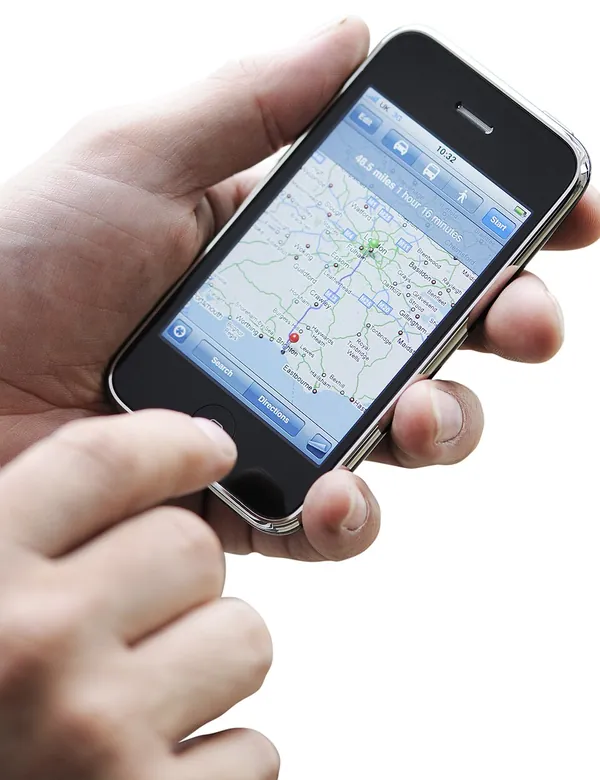
Smartphone
1994 · Technology and communicationsA smartphone is a mobile phone that does the job of a traditional phone and also works as a pocket computer. It runs an operating system, can run applications, browse the internet, send email and take photographs, and is usually controlled through a touchscreen. Its importance lies in the fact that it turned the mobile phone…
Read the full story →
General relativity
1915 · PhysicsGeneral relativity is the theory with which Albert Einstein explained gravity as a consequence of the geometry of spacetime. Its central idea is simple to state: bodies are not pushed by an invisible force; they follow the straightest possible paths through a spacetime bent by the presence of mass and energy. It matters because…
Read the full story →
Hard disk
1956 · ComputingA hard disk drive, also called HDD, hard disk or fixed disk, is an electromechanical device that stores digital data using magnetism and keeps it when the power is off. Its key feature is random access: any block of data can be read or written in any order, without going through everything stored before it. From the early 1960s…
Read the full story →
Diode
1901 · Technology and communicationsA diode is a two-terminal electronic component that lets current flow mainly in one direction and blocks it in the other. It is a simple device, yet much of today's electronics depends on it, from phone chargers to radio receivers. It behaves a bit like a one-way valve in a pipe: water moves forward but cannot flow back.…
Read the full story →
X-ray
1895 · PhysicsX-rays are a form of invisible electromagnetic radiation, belonging to the same family as light but with a much shorter wavelength. That property lets them pass through soft tissue, wood, or thin sheets of metal and leave a shadow on photographic film. They matter because they made it possible, for the first time, to look…
Read the full story →
Atomic nucleus
1911 · PhysicsThe atomic nucleus is the small, dense centre of an atom. It is made of protons, which carry a positive electric charge, and neutrons, which have none; together these particles are called nucleons. Although the nucleus occupies a tiny fraction of the atom's space, it contains more than 99.9 % of its mass. It matters for two…
Read the full story →
Tractor
1892 · TransportA tractor is a self-propelled vehicle built to deliver strong pulling power at low speed, so it can haul trailers, farm implements or other heavy equipment. Although it is most closely linked to farming, it is also used in construction, mining and the maintenance of public green spaces. Its importance lies in the fact that it…
Read the full story →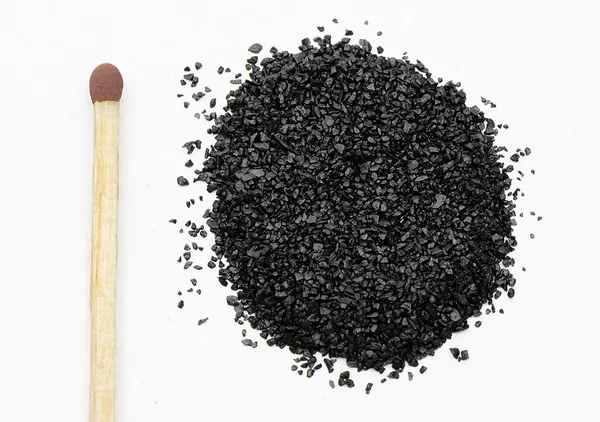
Gunpowder
900 · ChemistryGunpowder is a mixture of sulfur, charcoal and potassium nitrate, known as black powder to distinguish it from modern smokeless powders. It is the oldest known chemical explosive, and for centuries its story is tied to that of firearms. It does not detonate; it deflagrates, meaning it burns very quickly without producing the…
Read the full story →
Rocket
1232 · TransportA rocket is a vehicle that moves by pushing hot gas out at high speed. Because it carries all of its propellant on board, it does not need oxygen from the air, which is why it can fly through the vacuum of space. A jet engine, by contrast, depends on atmospheric oxygen to burn its fuel.
Read the full story →
Agricultural irrigation
Engineering and constructionIrrigation means supplying plants with water in a controlled way, either to cover the needs that rainfall does not satisfy or to turn dry farmland into irrigated land. It is one of the oldest and most consequential farming techniques, because it allows crops to grow where they otherwise could not and raises the yield of the…
Read the full story →
Transformer
1831 · EnergyThe transformer is a device that changes the voltage level of alternating current without substantially changing the power it carries. Its importance is hard to overstate: without it, electricity could not be moved efficiently from power stations to homes and factories. Sending power over long distances works best at high…
Read the full story →
Internal combustion engine
1876 · EnergyAn internal combustion engine gets its motion from the chemical energy of a fuel that burns inside the machine itself. That sets it apart from the steam engine, where heat is produced in a separate furnace and steam pushes a piston from outside. When a mixture ignites in a cylinder, the hot, pressurised gases drive a piston,…
Read the full story →
Spaceflight
1961 · Astronomy and spaceSpaceflight is the set of journeys that take spacecraft and other objects beyond Earth's atmosphere, with or without people on board. The name suggests flying, but there is no air in space to support a wing, so vehicles move by pushing: rockets expel hot gases at high speed and are pushed in the opposite direction. It matters…
Read the full story →
Battery
1800 · EnergyA battery is a set of electrochemical cells with external connections that converts chemical energy into electricity. When it powers a circuit, a redox reaction takes place inside: one substance loses electrons while another gains them, and the electrons travel through the outside circuit from the negative terminal to the…
Read the full story →
Firearm
1288 · Engineering and constructionA firearm is a device that fires one or more projectiles pushed out by the high-pressure gas produced when a chemical propellant burns very quickly. Its importance lies in giving people a way to attack at a distance with a force that once depended on muscle, wood or metal. The reference date given for it is around 1288,…
Read the full story →
Match
1826 · Technology and communicationsA match is a simple tool for making fire: a small stick, usually wooden, with one end coated in a chemical mixture that ignites when it reaches a certain temperature. Rubbing the head against a rough surface produces enough friction heat to start the reaction, and the flame then catches the stick. Its importance lies in making…
Read the full story →
Laser
1960 · PhysicsA laser is a device that produces a highly ordered beam of light: its waves travel almost in step, with a single colour and very little spreading. Physicists call this property coherence, and it is what separates a laser from a light bulb, whose light is spread across many wavelengths and directions. Its importance is twofold.…
Read the full story →
Steam engine
1712 · EnergyThe steam engine is an engine that turns the heat of water vapour into mechanical motion. Water is heated in a sealed boiler; as it turns into steam it takes up far more space and pushes a piston inside a cylinder. A connecting rod and crank convert that back-and-forth movement into rotation, which can drive wheels, pumps or…
Read the full story →
Conservation of energy
1847 · PhysicsThe law of conservation of energy says that the total amount of energy in an isolated system, one that exchanges no energy with its surroundings, stays the same over time. Energy can move from one form to another, but it does not appear or vanish from nothing. When a battery powers a light bulb, chemical energy becomes…
Read the full story →
Thermometer
1593 · Scientific instrumentsA thermometer is a device that measures temperature, meaning how hot or cold an object is. It has two essential parts: a sensor that changes when the temperature changes, and a way of turning that change into a number, either a scale marked on the tube or a digital display. It matters because without measuring temperature there…
Read the full story →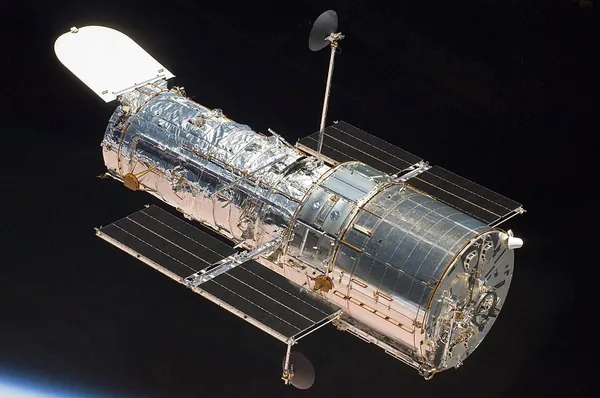
Hubble Space Telescope
1990 · Astronomy and spaceThe Hubble Space Telescope is a telescope that orbits about 540 kilometres above Earth. Its main advantage is that, by sitting above the air, it avoids the turbulence that makes stars twinkle and the absorption that blocks part of the light, especially in the infrared. This lets it capture images far sharper than most…
Read the full story →
Spacecraft
1957 · TransportA spacecraft is a vehicle built to fly and work in outer space. Spacecraft serve communications, Earth observation, weather forecasting, navigation, planetary exploration and the transport of people and cargo. Almost all of them need a launch rocket to leave the atmosphere, since they cannot reach space on their own. Suborbital…
Read the full story →
Natural selection
1858 · BiologyNatural selection is the process by which individuals in a population with heritable traits that help them survive and reproduce leave more offspring, so those traits spread over time. According to modern biology, it is the main cause of how living things adapt to their surroundings and of the emergence of new species. Its…
Read the full story →
Apollo 11
1969 · Astronomy and spaceApollo 11 was the NASA mission that, on July 20, 1969, put the first humans on the Moon. It mattered because it closed a decade of competition with the Soviet Union in the Space Race and showed that a crewed spacecraft could travel to the Moon, land, and bring its crew home. It also became one of the most-watched events in…
Read the full story →
Radar
1935 · Technology and communicationsRadar is a system that sends out radio waves and reads the echoes that bounce back from objects, revealing how far away they are, where they lie and how fast they move. The word comes from the phrase radio detection and ranging. It matters because it can locate aircraft, ships and storms in fog, at night or many kilometres…
Read the full story →
Personal computer
1957 · ComputingA personal computer is a machine designed to be used by one person, without needing a specialist to run it. Its importance lies in taking computing out of large computing centres and into homes, offices and schools, changing how people work, study and spend their free time. Today the abbreviation PC mostly refers to machines…
Read the full story →
Exoplanet
1992 · Astronomy and spaceAn exoplanet is a planet that orbits a star other than the Sun. For centuries it was a reasonable guess that lacked any way to test it. Today thousands are known, which shows that the Solar System is not a unique case. Their study matters because it lets us ask, with evidence, whether worlds with liquid water, and perhaps life,…
Read the full story →
Incandescent light bulb
1879 · Technology and communicationsAn incandescent lamp makes light by sending electric current through a fine filament, usually made of tungsten, until it heats up and glows. To keep the metal from burning in contact with air, the filament is sealed inside a glass bulb that is either emptied of air or filled with an inert gas, a gas that does not react with the…
Read the full story →
James Webb Space Telescope
2021 · Astronomy and spaceThe James Webb Space Telescope is an observatory built to look mainly at infrared light, the part of the spectrum our eyes cannot see. Infrared is the light given off by objects that are very distant, very old or very cold, so it opens a view that visible-light telescopes miss. Launched on 25 December 2021, it is the largest…
Read the full story →
Space Shuttle
1981 · TransportThe Space Shuttle was a NASA spacecraft that flew from 1981 to 2011. Its importance lies in being the first operational orbital vehicle designed to be reused, an idea that promised to lower the cost of reaching space. Over three decades it flew 135 missions from the Kennedy Space Center in Florida, launching satellites, probes…
Read the full story →
Rosetta Stone
1799 · Technology and communicationsThe Rosetta Stone is a fragment of a larger granodiorite stele, a hard, grey-toned rock. Its importance lies in the fact that it carries the same decree in three scripts: hieroglyphic, Demotic and Ancient Greek. Because scholars could read Greek, the stone gave them a bridge to the other two scripts, something that had seemed…
Read the full story →
Electric motor
1834 · EnergyAn electric motor is a machine that turns electricity into rotary motion. Its basic idea is simple: a current flowing through a coil of wire creates a magnetic field, and that field pushes against other magnets or conductors, so the moving part spins. Electric motors drive fans, pumps, household appliances, tools, trains and…
Read the full story →
Integrated circuit
1958 · Technology and communicationsAn integrated circuit, also called a chip or microchip, is a small piece of semiconductor material, almost always silicon, on which transistors, resistors, capacitors and the wiring between them are all fabricated at once. It sits inside computers, smartphones, televisions, cars and medical equipment, and it made electronics…
Read the full story →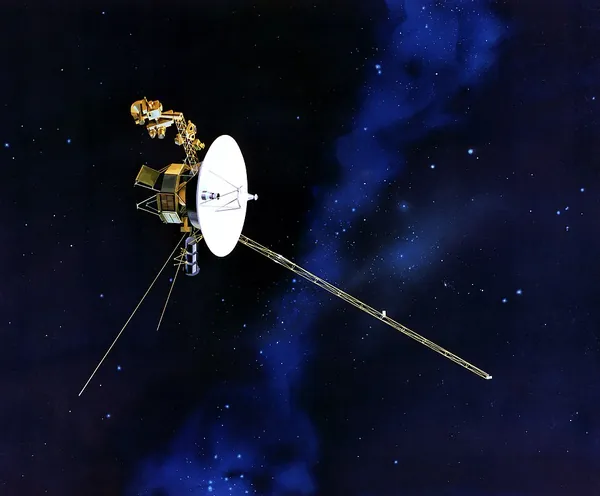
Voyager 1
1977 · Astronomy and spaceVoyager 1 is a NASA space probe launched on September 5, 1977, to study the outer Solar System and, later, the space beyond the influence of the Sun. It matters because it is the first human-made object to cross the heliopause, the outer boundary of the Sun's bubble of charged particles and magnetic fields. As of February 2025,…
Read the full story →
Higgs boson
2012 · PhysicsThe Higgs boson is an elementary particle of the Standard Model of particle physics, the theory that describes almost all known particles and forces except gravity. It is the most direct sign of a field that fills all of space and explains why some particles have mass. For decades it was the last unverified part of that model,…
Read the full story →
Sputnik 1
1957 · Astronomy and spaceSputnik 1 was a polished metal sphere about 58 centimetres across, with four long, thin radio antennas. On 4 October 1957 it became the first human-made object to orbit the Earth. It mattered for two reasons. It proved that a human-made object could be placed in orbit, and its success caught the United States off guard, setting…
Read the full story →
Archaeopteryx
1861 · BiologyArchaeopteryx is an extinct genus of dinosaurs that looked strikingly like modern birds. It lived about 150 million years ago in what is now southern Germany, when much of Europe was a scattering of islands in a warm, shallow tropical sea. Its importance lies in how it mixes features of birds, such as well-formed flight…
Read the full story →
Space station
1971 · Astronomy and spaceA space station is a spacecraft that stays in orbit and hosts people for long stretches of time. Unlike a crewed spacecraft, it has no main engine for travelling far; visiting vehicles bring crews and supplies, and it is not designed to land. Its value lies in letting researchers study how spaceflight affects the human body…
Read the full story →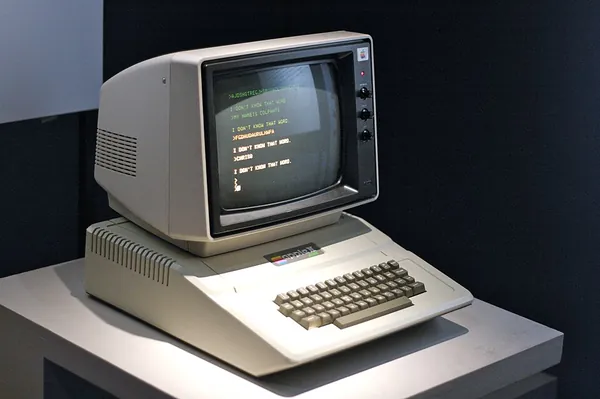
Computer
1945 · ComputingA computer is a programmable machine that receives data, processes it through sequences of arithmetic and logical operations, and delivers the resulting information. Its importance lies in the fact that one machine can perform very different jobs, from keeping accounts to playing music or guiding an aircraft, just by running a…
Read the full story →
Television
1925 · Technology and communicationsTelevision is a system that transmits moving pictures and sound over distance and displays them on a receiver, the television set. Its importance is hard to overstate: since the middle of the twentieth century it has been the main mass medium for news and entertainment. No single person invented it. It grew from decades of work…
Read the full story →
Iron
5000 BC · ChemistryIron is a metal with atomic number 26 and the symbol Fe. By mass it is the most common element on Earth, although in the crust it ranks fourth. Its importance is hard to overstate: steel, an alloy of iron with a small amount of carbon and other elements, underpins much of modern construction, transport and industry. An entire…
Read the full story →
Neptune
1846 · Astronomy and spaceNeptune is the most distant known planet from the Sun and the first one located by calculation rather than by searching the sky at random. Its discovery mattered because it showed that gravity, applied carefully, could reveal a body that no one had yet seen.
Read the full story →
Car
1884 · TransportA car is a four-wheeled road vehicle with its own engine, designed mainly to carry people. Its engine turns the energy in a fuel into movement, and the rest of the machine includes a chassis, a body, steering, brakes and suspension. More than 1.6 billion cars are in use today. The car matters because it has reshaped cities,…
Read the full story →
Hydrogen
1766 · ChemistryHydrogen is the element with atomic number 1, the lightest in the periodic table and the most abundant in the universe. Most of the visible matter in the cosmos is made of it, yet on Earth it is relatively scarce and usually bonded to other atoms, as in water or hydrocarbons. It matters because it underpins acid-base chemistry,…
Read the full story →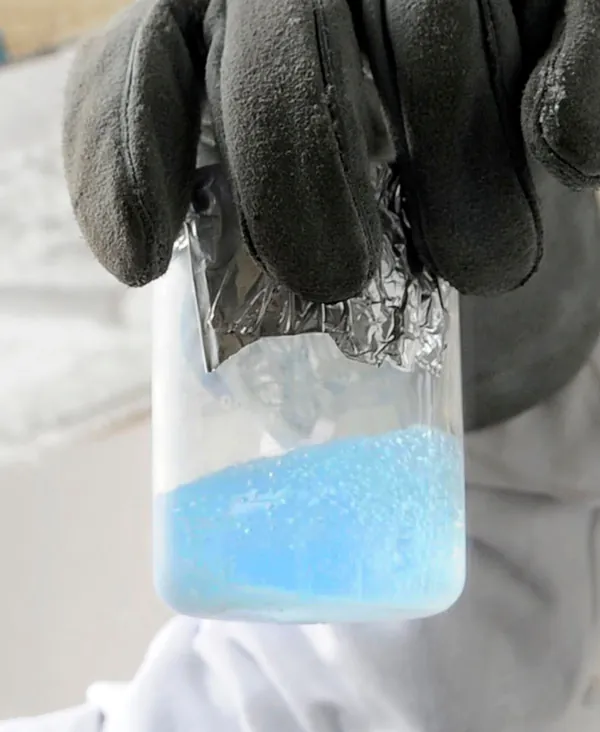
Oxygen
1774 · ChemistryOxygen is the chemical element with atomic number 8, written O. Under ordinary conditions it occurs as dioxygen, a colorless, odorless gas made of two atoms bound together. It makes up a large share of the air, of water and of Earth's crust, and complex life as we know it would not be possible without it. Its history is also…
Read the full story →
Agriculture
9000 BC · Technology and communicationsAgriculture is the set of techniques and activities through which people prepare land, plant, tend and harvest useful plants, and raise animals, to obtain food and other raw materials such as fibers and fuels. It matters because it made it possible for human groups to settle in one place for generations, and because it reshaped…
Read the full story →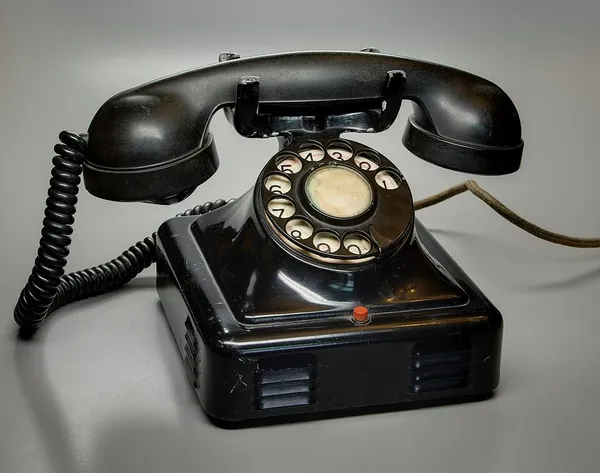
Telephone
1876 · Technology and communicationsA telephone is a device that turns the human voice into electrical signals, sends them along a wire or another channel, and converts them back into sound at the far end, so that two people can talk while far apart. The word comes from the Greek tēle, meaning far, and phōnē, meaning voice, so it literally means distant voice.…
Read the full story →
Photography
1839 · Technology and communicationsPhotography is the art and practice of fixing images with light. The word comes from Greek roots meaning, broadly, 'drawing with light', although the exact sense of those roots has been debated. Its importance lies in making it possible, for the first time, to obtain a picture of the real world automatically and repeatedly,…
Read the full story →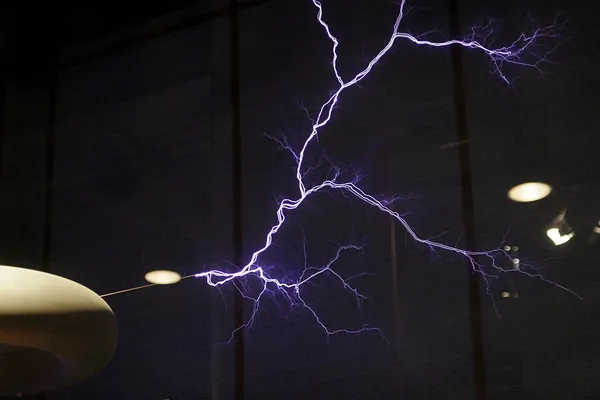
Electricity
1821 · PhysicsElectricity is the set of physical phenomena linked to the presence and movement of electric charge. It shows up in lightning, static cling, electromagnetic induction and the current that powers almost every device in daily life. It matters because electrical energy can be carried easily over long distances and turned into…
Read the full story →
Nitrogen
1772 · ChemistryNitrogen is the gas that dominates Earth's atmosphere and one of the building blocks of life: it is part of amino acids, proteins, DNA and RNA. Yet for centuries it went unrecognised as a substance of its own, because compounds containing it were known long before the element itself was identified.
Read the full story →
Bicycle
1885 · TransportA bicycle is a two-wheeled vehicle with the wheels arranged one behind the other, driven by the rider's leg muscles through pedals. It matters because it lets people cover considerable distances with little effort and no fuel, and today there are more than a billion of them in the world.
Read the full story →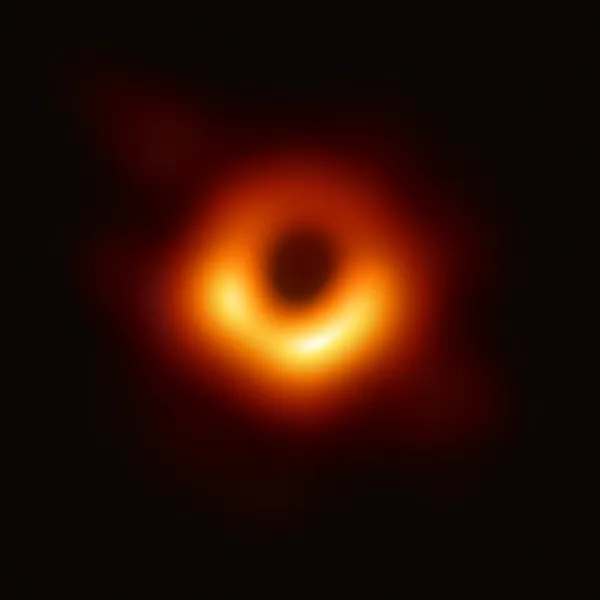
Black hole
1916 · Astronomy and spaceA black hole is a region of space where gravity is so strong that nothing, not even light, can get back out once it crosses a certain boundary. Its existence follows from Albert Einstein's general theory of relativity, which describes gravity as the bending of space and time. Black holes matter because they test our most…
Read the full story →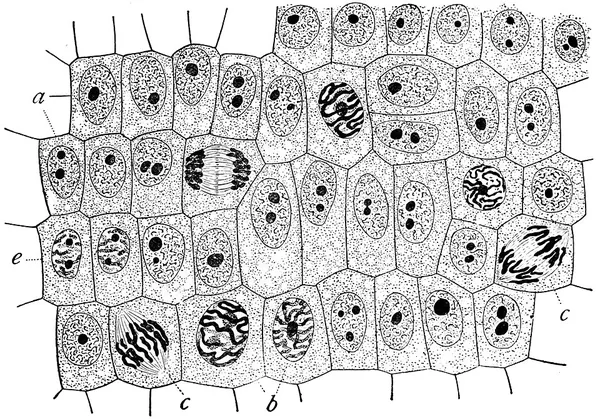
Cell
1665 · BiologyThe cell is the structural and functional unit of every living thing and the smallest element that can be considered alive. It is wrapped in a membrane that separates an organised interior from the outside world, and inside it an active metabolism keeps it running. Its genetic material, DNA, holds the instructions to build and…
Read the full story →
Evolution
1859 · BiologyEvolution is the change in the heritable traits of populations of living things across successive generations. A heritable trait is a characteristic passed on to offspring through genes. This process explains how the enormous variety of life on Earth, from bacteria to whales, has arisen from shared ancestors. It matters for two…
Read the full story →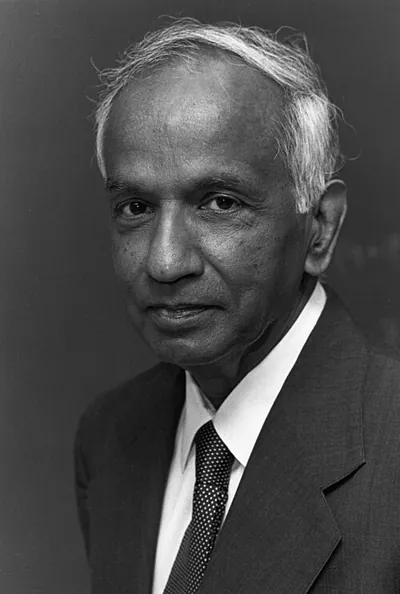 Subrahmanyan Chandrasekhar1910–1995 · Astronomy and space
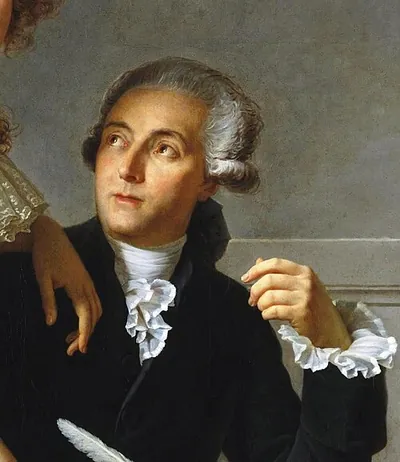 Antoine Lavoisier1743–1794 · Chemistry
 Donald Knuth1938 · Computing
 Blaise Pascal1623–1662 · Mathematics
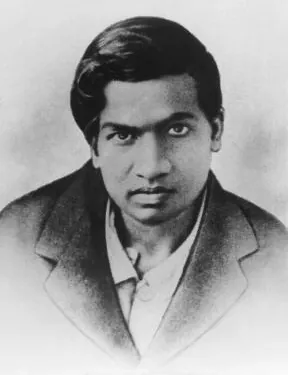 Srinivasa Ramanujan1887–1920 · Mathematics
 Jöns Jacob Berzelius1779–1848 · Chemistry
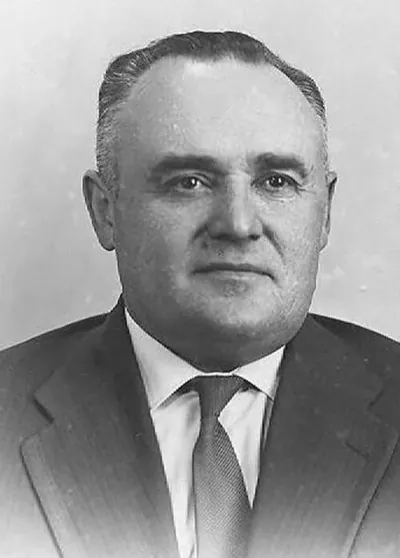 Sergei Korolev1907–1966 · Transport
 Michel Mayor1942 · Astronomy and space
 Linus Torvalds1969 · Computing
 Karl Weierstraß1815–1897 · Mathematics
 Marie Curie1867–1934 · Chemistry
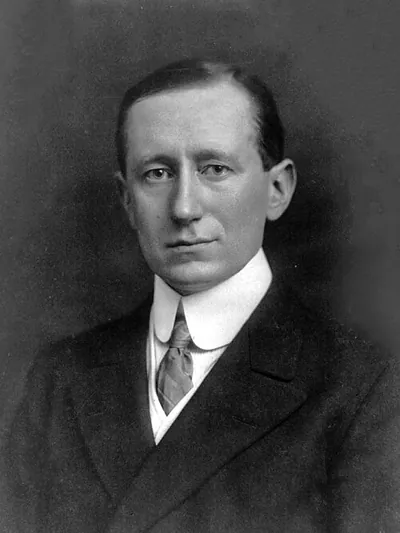 Guglielmo Marconi1874–1937 · Technology and communications
 Ludwig Boltzmann1844–1906 · Physics
 Werner Heisenberg1901–1976 · Physics
 Carl Friedrich Gauss1777–1855 · Mathematics
 John Bardeen1908–1991 · Technology and communications
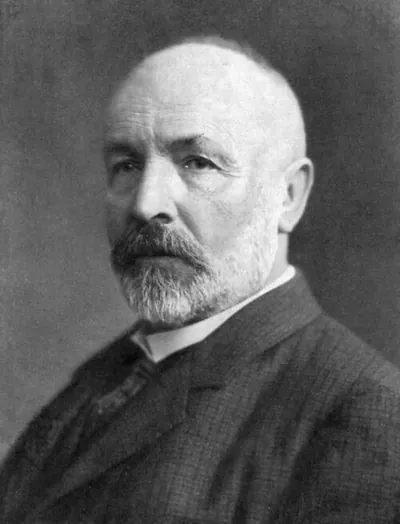 Georg Cantor1845–1918 · Mathematics
 Edwin Hubble1889–1953 · Astronomy and space
 Yoshua Bengio1964 · Computing
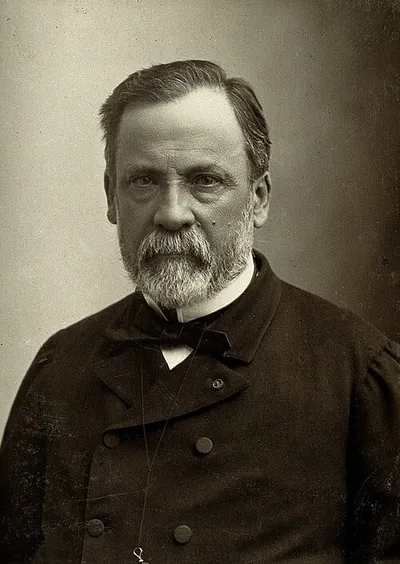 Louis Pasteur1822–1895 · Biology
 James Hutton1726–1797 · Earth sciences
 Niels Bohr1885–1962 · Physics
 Justus von Liebig1803–1873 · Chemistry
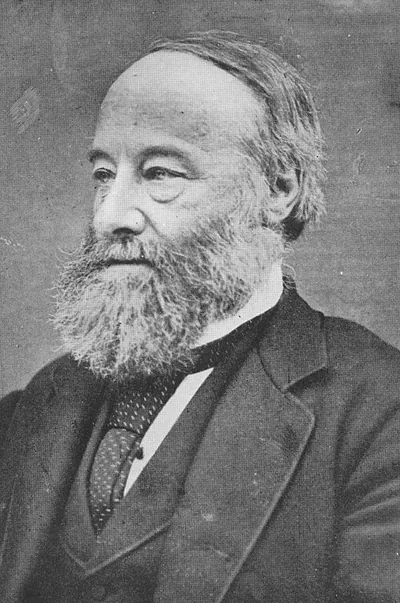 James Prescott Joule1818–1889 · Physics
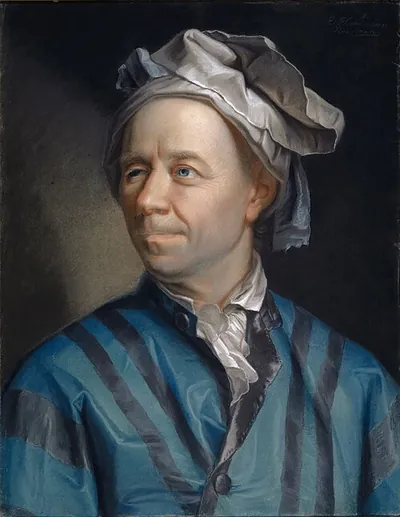 Leonhard Euler1707–1783 · Mathematics
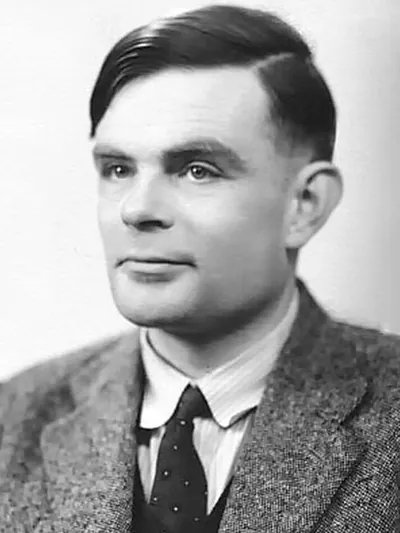 Alan Turing1912–1954 · Computing
 Gottfried Wilhelm Leibniz1646–1716 · Mathematics
 Wilbur Wright1867–1912 · Transport
 Claude Shannon1916–2001 · Computing
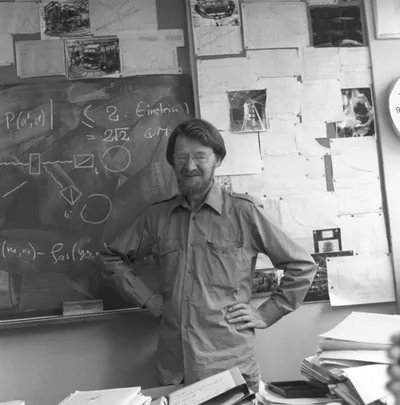 John Stewart Bell1928–1990 · Physics
 Francis Crick1916–2004 · Biology
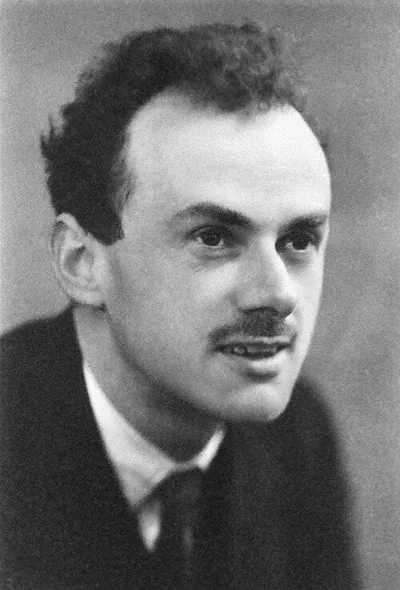 Paul Dirac1902–1984 · Physics
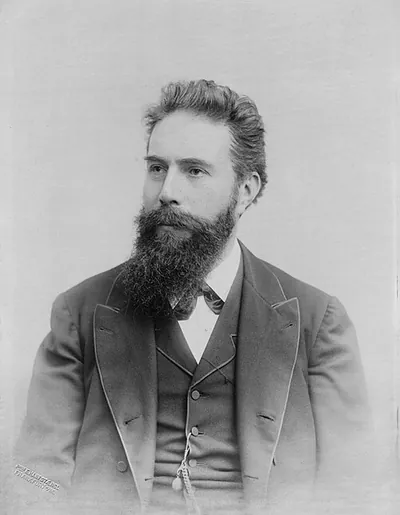 Wilhelm Röntgen1845–1923 · Physics
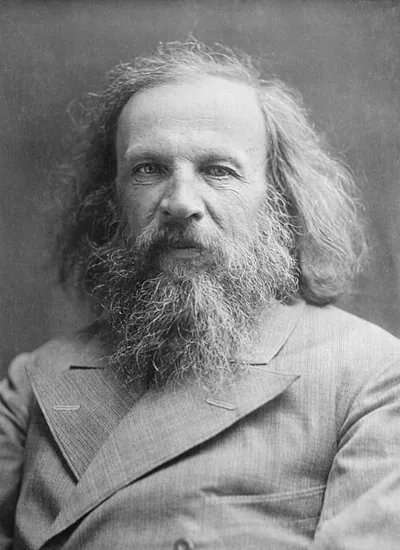 Dmitri Mendeleev1834–1907 · Chemistry
 Frederick Sanger1918–2013 · Biology
 Carl Sagan1934–1996 · Astronomy and space
 Alessandro Volta1745–1827 · Energy
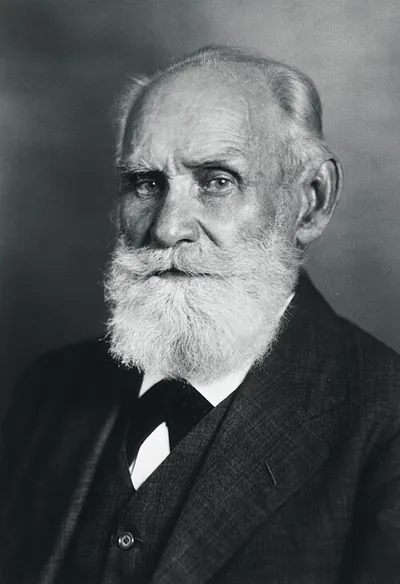 Ivan Pavlov1849–1936 · Biology
 Leonardo da Vinci1452–1519 · Engineering and construction
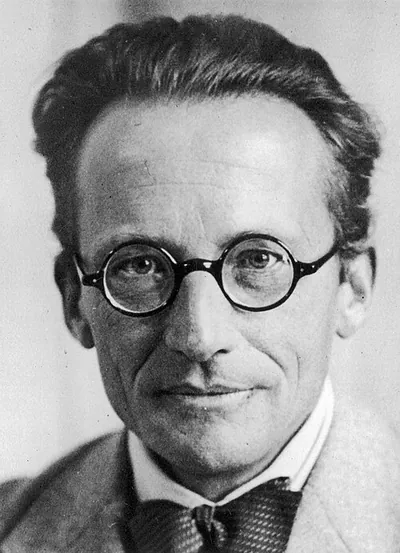 Erwin Schrödinger1887–1961 · Physics
 Orville Wright1871–1948 · Transport
 Isaac Newton1643–1727 · Physics
 Andrey Kolmogorov1903–1987 · Mathematics
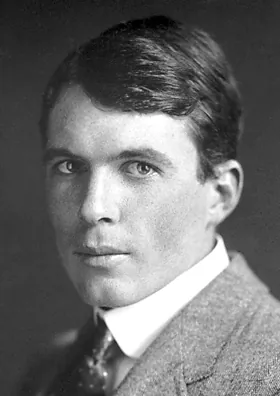 William Lawrence Bragg1890–1971 · Physics
 Stephen Hawking1942–2018 · Physics
 Robert Koch1843–1910 · Biology
 Pythagoras582 BC–490 BC · Mathematics
 John von Neumann1903–1957 · Computing
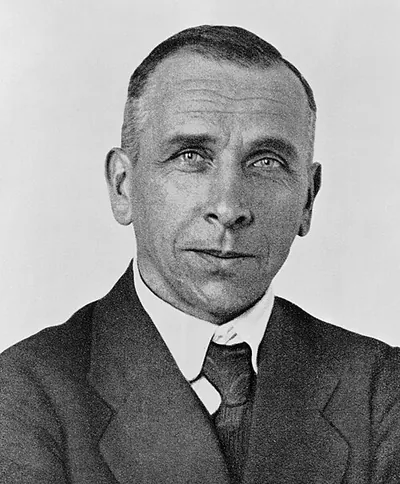 Alfred Wegener1880–1930 · Earth sciences
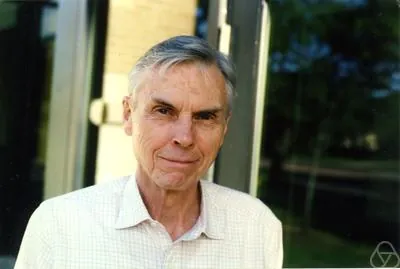 John Tate1925–2019 · Mathematics
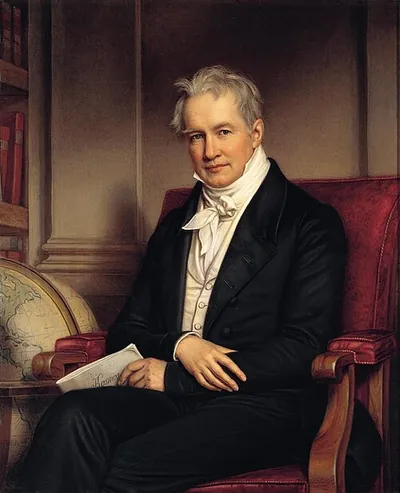 Alexander von Humboldt1769–1859 · Earth sciences
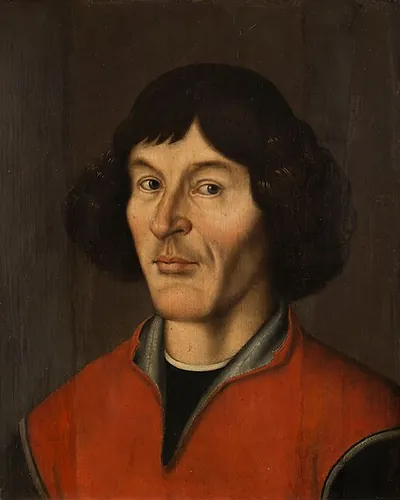 Nicolaus Copernicus1473–1543 · Astronomy and space
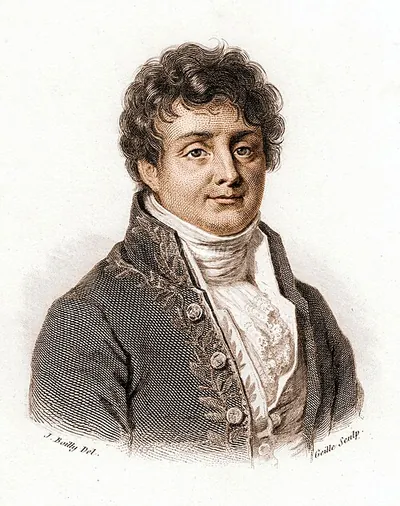 Joseph Fourier1768–1830 · Mathematics
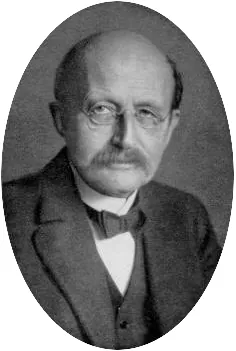 Max Planck1858–1947 · Physics
 Charles Darwin1809–1882 · Biology
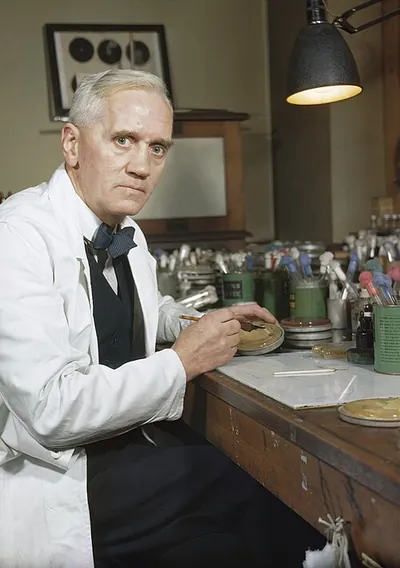 Alexander Fleming1881–1955 · Biology
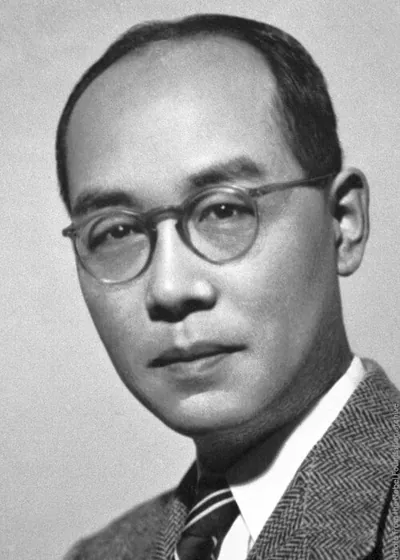 Hideki Yukawa1907–1981 · Physics
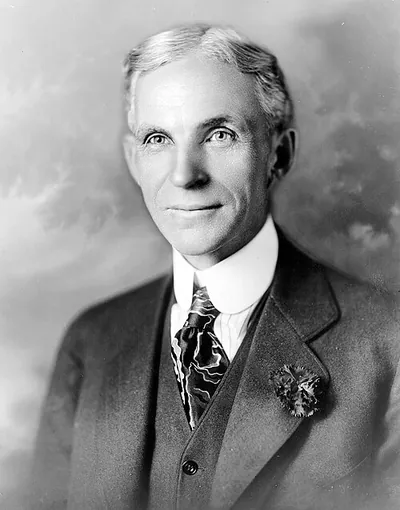 Henry Ford1863–1947 · Transport
 Robert Boyle1627–1691 · Chemistry
 Santiago Ramón y Cajal1852–1934 · Biology
 Johannes Kepler1572–1630 · Astronomy and space
 Euclid333 BC–284 BC · Mathematics
 Pierre-Simon Laplace1749–1827 · Mathematics
 Albert Einstein1879–1955 · Physics
 Bertrand Russell1872–1970 · Mathematics
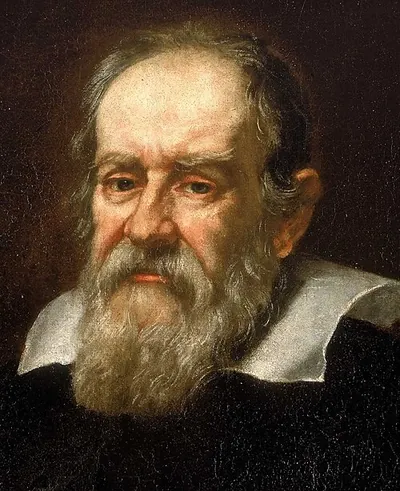 Galileo Galilei1564–1642 · Astronomy and space
 William Shockley1910–1989 · Technology and communications
 René Descartes1596–1650 · Mathematics
 John McCarthy1927–2011 · Computing
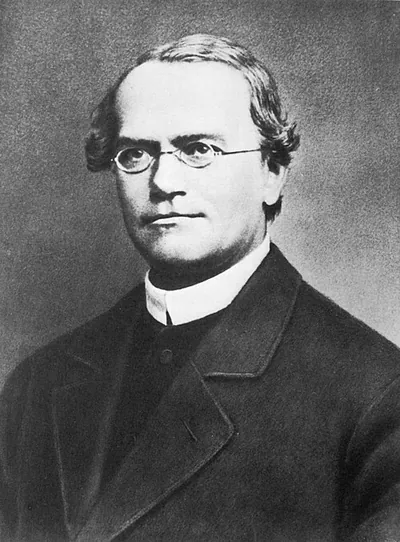 Gregor Mendel1822–1884 · Biology
 Robert Burns Woodward1917–1979 · Chemistry
 Alfred Nobel1833–1896 · Chemistry
 Enrico Fermi1901–1954 · Physics
 George Stephenson1781–1848 · Transport
 Fibonacci1170–1240 · Mathematics
 Niklaus Wirth1934–2024 · Computing
 Bernhard Riemann1826–1866 · Mathematics
 Ernest Rutherford1871–1937 · Physics
 Ptolemy100–170 · Astronomy and space
 Geoffrey Hinton1947 · Computing
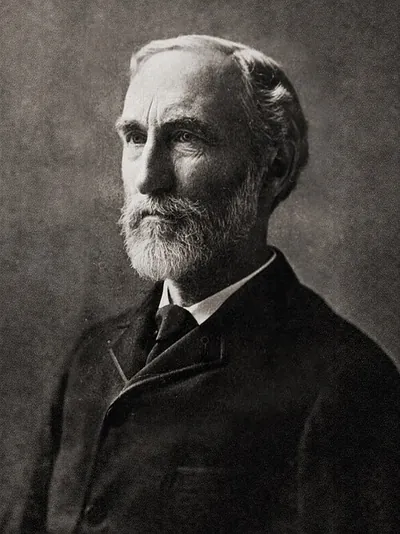 Josiah Willard Gibbs1839–1903 · Physics
 Andrew Wiles1953 · Mathematics
 Hipparchus189 BC–119 BC · Astronomy and space
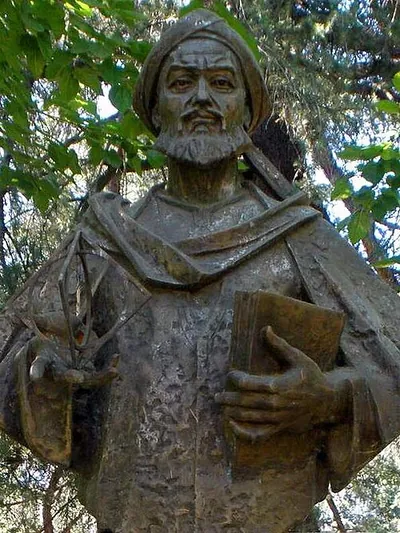 Muḥammad ibn Musa al-Khwarizmi780–850 · Mathematics
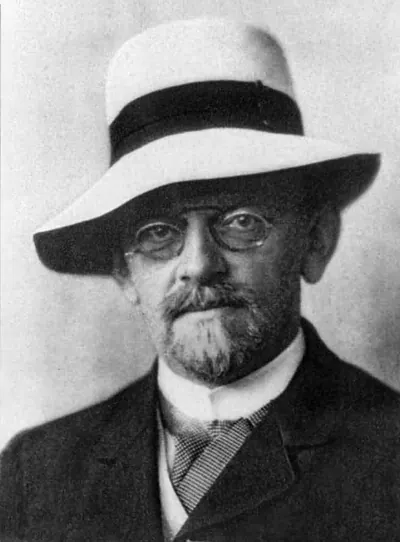 David Hilbert1862–1943 · Mathematics
 Steve Jobs1955–2011 · Technology and communications
 Brahmagupta598–670 · Mathematics
 Charles Lyell1797–1875 · Earth sciences
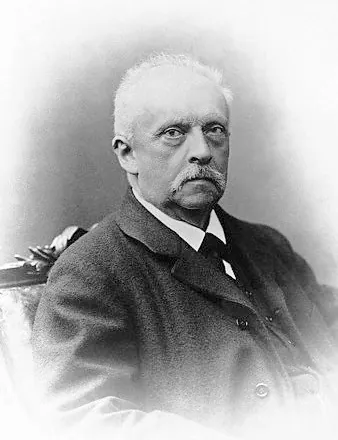 Hermann von Helmholtz1821–1894 · Physics
 J. Robert Oppenheimer1904–1967 · Physics
 Nikola Tesla1856–1943 · Energy
 Jennifer Doudna1964 · Biology
 James Clerk Maxwell1831–1879 · Physics
 Yuri Gagarin1934–1968 · Astronomy and space
 Emil Fischer1852–1919 · Chemistry
 Ada Lovelace1815–1852 · Computing
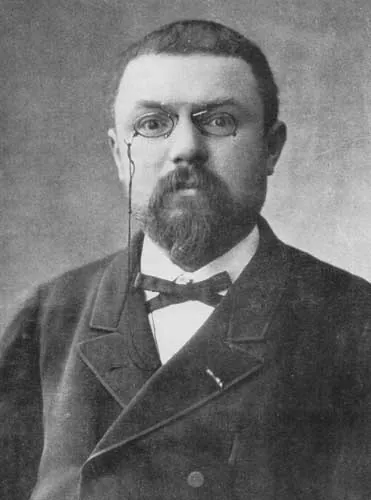 Henri Poincaré1854–1912 · Mathematics
 James Watt1736–1819 · Energy
 Carl Woese1928–2012 · Biology
 Willard Boyle1924–2011 · Technology and communications
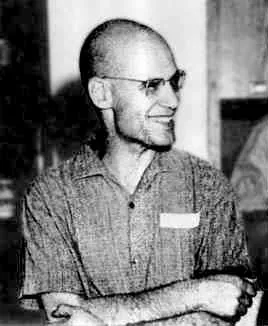 Alexander Grothendieck1928–2014 · Mathematics
 Neil Armstrong1930–2012 · Astronomy and space
 Tim Berners-Lee1955 · Computing
 Thomas Edison1847–1931 · Technology and communications
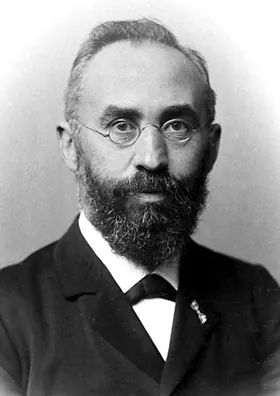 Hendrik Lorentz1853–1928 · Physics
 Ernst Mayr1904–2005 · Biology
 Robert H. Goddard1882–1945 · Transport
 Richard Feynman1918–1988 · Physics
 Henri Lebesgue1875–1941 · Mathematics
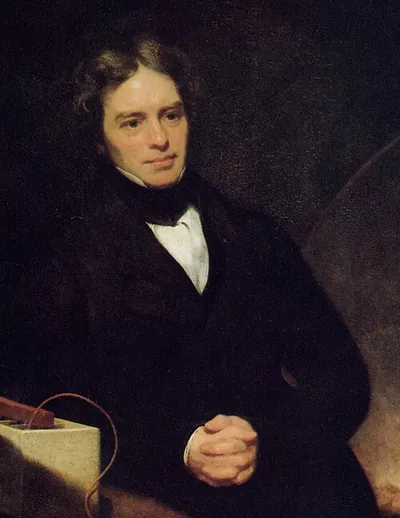 Michael Faraday1791–1867 · Physics
 Johannes Gutenberg1400–1468 · Technology and communications
 Carl Linnaeus1707–1778 · Biology
 Emmy Noether1882–1935 · Mathematics
 Pierre Curie1859–1906 · Physics
 Archimedes286 BC–211 BC · Physics
 James Watson1928–2025 · Biology
 Joseph John Thomson1856–1940 · Physics
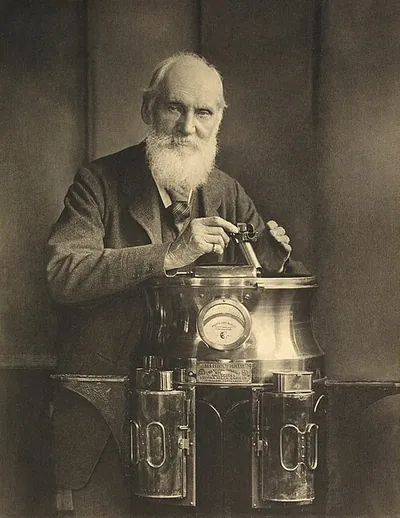 William Thomson, 1st Baron Kelvin1825–1907 · Physics
 Dennis M. Ritchie1941–2011 · Computing
 Alexander Graham Bell1847–1922 · Technology and communications